


There are approximately 250 species of worms that pose health risks to adults.Helminthosis occurs due to infection with parasites.The activity of worms in internal organs can cause severe allergies, vitamin deficiencies and pancreatitis.People of all ages are susceptible to infection, but children have a higher infection rate.
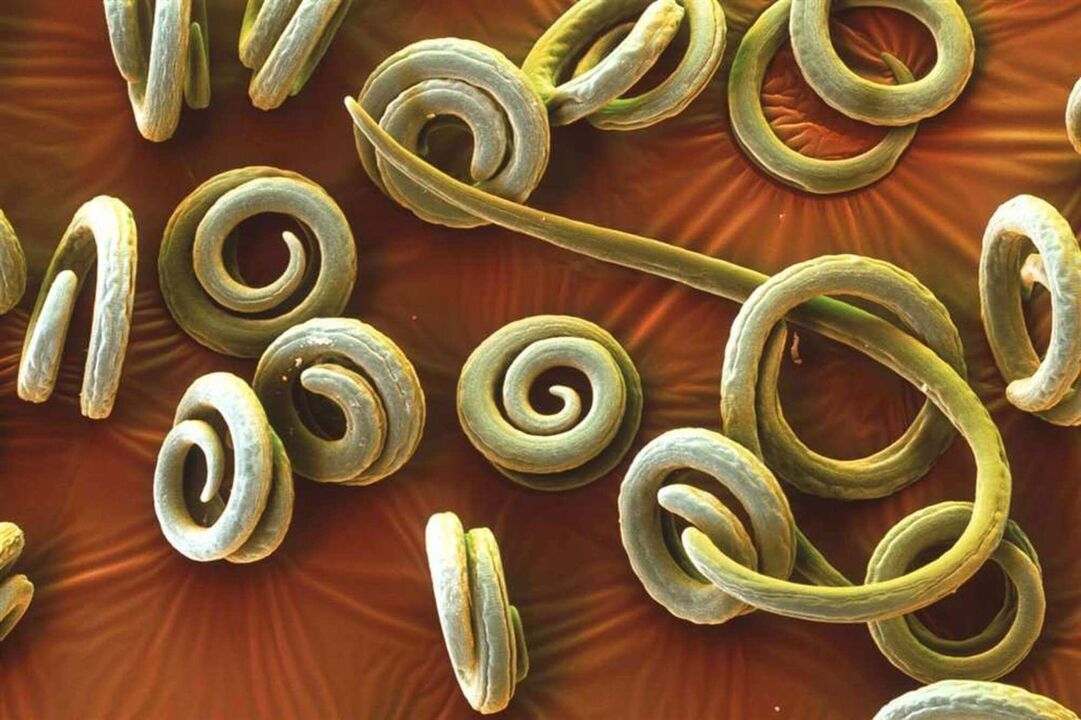
Most types of worms live inside the body, only to lay eggs inside the body and die after a period of time.
Parasite morphology and development characteristics
Based on the mode of transmission, parasites are mainly divided into the following categories:
- Biological worm.Throughout the development cycle, several consoles were changed.These include tapeworms, nematodes, and echinococcosis.
- Soil worms.Able to spread without an intermediate host, but can spread through soil.A person becomes infected by eating unwashed vegetables and fruits.Main representatives: roundworms, whipworms, and hookworms.
- A worm spread through contact with an infected person.This group includes pinworms and dwarf tapeworms.
There are more than 150 species of helminths registered in humans.
The location of parasites in the body also varies:
- Tissue affects internal organs and the tissues that make up internal organs;
- Cavities exist in the intestinal lumen and absorb nutrients needed by humans.
Worms are divided into 3 groups based on their appearance:
- roundworms;
- flatworm;
- lucky.
Worm infection methods
In most cases, parasites enter the host through:
- The larvae or eggs of the worms, along with the feces, end up in the soil or water and infect people through consumption of unwashed food or raw liquids.The potential for intrusions through water bodies increases during the summer months.
- After contact with sick people or common objects.This mode of transmission is typical of pinworms.At night, the female leaves the anus to lay eggs.This process can cause severe itching and lead to residual insect eggs on hands and underwear.They were then given to healthy people.
- Tapeworm infection can occur when eating raw and undercooked meat.Tapeworms of this species infect the muscle tissue of intermediate hosts, which include cattle and pigs.
- Insects can carry worm eggs and larvae on their limbs, increasing the area that can be infected.
The life cycle of most parasites involves the release of large numbers (millions) of eggs, which penetrate the human body and after a certain period of time turn into larvae.
The development of parasites in the human body can cause acute and chronic forms of the disease.The acute form is characterized by pronounced symptoms that can last up to two months.If left untreated, chronic infections can occur throughout a person's life.
Main types of parasites that infect humans
Each microorganism is characterized by damage to specific organs and corresponding symptoms.However, all parasites have one thing in common in the way they obtain nutrients - at the expense of the host.In this case, the person's metabolism is disturbed, anemia and other types of diseases develop.
Worms come in different forms:
- Roundworms are large white nematodes that can grow up to 20 centimeters in length.Adult worms live in the small intestine, and larvae can move through the circulatory system to the lungs.They are classified as soil worms; infection occurs through consumption of unwashed vegetables, fruits and water.Parasite eggs can also accumulate in the sand.
- Pinworms are small worms that are visible to the naked eye after defecation.The distribution area is the lower part of the small intestine.Pinworm disease develops under the influence of parasites.The cause of infection is contact with unhealthy people.It is common in children under 14 years old.
- tapeworm.These include bovine and pork tapeworms and broad tapeworms.They are characterized by their ability to increase their population rapidly due to hermaphroditism.Their bodies are made up of many parts, including their reproductive system and thousands of eggs.Depending on the type of parasite, different diseases can develop.They are located in the small intestine and damage the epithelial mucosa.They accumulate in the intestinal lumen and may cause obstruction.The infection can occur when you eat undercooked beef, pork, or fish.
- Whipworms are round worms that look like a hair and have a thickened back.Due to its structural characteristics, it can penetrate blood vessels and feed on tissue fluid.Lack of treatment can cause the body to become less resistant to infection and cancer.The source of infection is unwashed food.
The insidious thing about helminthiasis is that it successfully disguises itself as other diseases.
The development of parasites from eggs to mature individuals occurs within three weeks.During this time, symptoms may be absent or mild.If left untreated, worm proliferation can cause the disease to become chronic.
Signs of illness caused by worm infection
The main symptoms of worm infection are:
- weakness and fatigue;
- Intestinal pain;
- Constipation and diarrhea alternate;
- Swelling of the face or body;
- Inflammation of lymph nodes, coughing and choking;
- A rash that causes itching;
- Joint pain.
The topic of parasites is both unpleasant and scary, which is why many myths have arisen about these pests.
The consequences of helminth infections are often disguised as other illnesses.The difference between pathologies lies in the specific signs of body dysfunction.Depending on the type of worm, there may be:
- Increased salivation, slight increase in body temperature, urticaria caused by roundworms;
- Frequent urination, sleep disturbance, and persistent pain in the belly button when infected with pinworms;
- Nausea, vomiting, pale skin, and low blood pressure occur when affected by tapeworms;
- Yellowing of the sclera, dizziness, heaviness in the liver area, and general pain in case of fluke infection.
It is important to detect worms promptly through testing and provide effective treatment.
Symptoms of helminthiasis depend directly on the type of parasite, its location in the body, and the intensity of the infection.
Methods for collecting material to identify intestinal parasites
The main test to accurately diagnose the presence of worms is a stool exam.On the day of stool collection, submit the material to the laboratory in sterile containers.The use of laxatives and contact with urine on materials are unacceptable.Before being sent to the laboratory, the container containing feces should be stored in a refrigerator at a temperature of 4-5 degrees.
In addition, the following tests may be specified:
- immunological testing;
- blood and urine tests;
- scraping from the vaginas of women and girls;
- Check sputum when you cough;
- Ultrasound and endoscopy;
- Bile analysis.

Enzyme-linked immunosorbent assay is an effective method for detecting worms in the body.
A person may be infected with one or more worms.Usually, the presence of a single individual in the body is characterized by the absence of symptoms.Increased worm populations can cause severe damage to internal organs, leading to poor health.Symptoms of the disease worsen at night, which also affects resistance to parasites.
Ways to Treat Worm Infections
Specialized medications affect different types of worms.Medications are available both for infection and prevention.Medication can only be prescribed after determining the type of worm infecting the body.
Adult roundworms and pinworms can be eliminated with medications containing mebendazole, which blocks the worms' ability to feed and reproduce.

Modern worm pills are divided into three categories based on the sensitivity of the parasite to the drug.
Treat whipworms with medicines containing mebendazole and albendazole.Iron supplements are necessary to eliminate the consequences of rectal prolapse.
The treatment process is strictly prescribed by the attending physician.Self-administration is not acceptable due to various contraindications.
Traditional medicine applications
The most common anti-helminth remedy is pumpkin seeds.After crushing them and adding honey, consume them on an empty stomach in the morning.The recommended dose is around 300 grams per hour.After taking it, a laxative is needed to cleanse the stomach.
Various decoctions and infusions have proven their effectiveness:
- Tansy;
- yellow gentian;
- Helichrysum;
- garlic

Folk remedies for adult worms are recommended for preventive and therapeutic purposes.
It is recommended to use mugwort decoction for enema.Fresh herb juice mixed with alcohol can be used.Carrots and their juice also kill parasites.
Preventive measures against worms and their effects
Cleaning hands is the most effective way to protect children and adults from any type of parasitic infection.Children should be taught the concepts and rules of personal hygiene from an early age.A healthy lifestyle can also help reduce the likelihood of developing this disease.
Purified or boiled water should be available around the clock to prevent the possibility of drinking contaminated liquids.It is best to wash vegetables and fruits with boiling water.
Care must be taken when handling animals.Pets must be treated for a variety of internal and external parasites.Don’t forget to get routine vaccinations for dogs and cats.
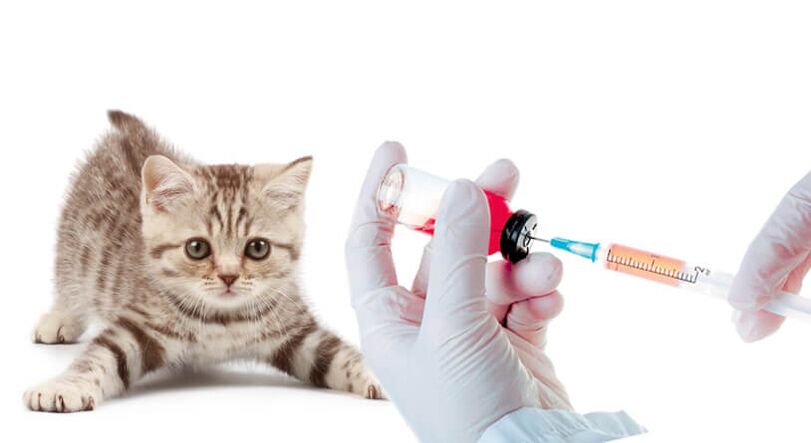
Vaccination can minimize the risk of losing a family member to a common disease.
Preventative medications prescribed by your doctor can be used.Worm infections can develop into dangerous illnesses, so it's important to minimize the risk of worms entering the body.